
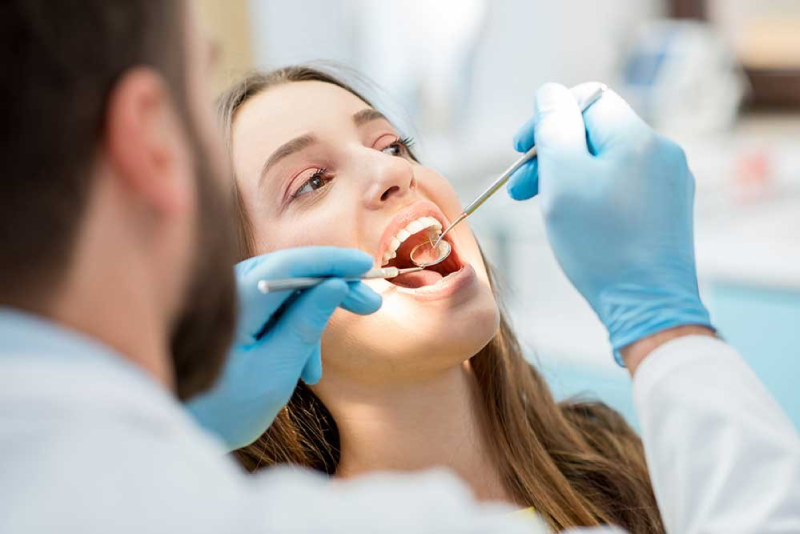
How Orthodontic Treatment Improves Chewing Efficiency and Nutritional Absorption
The Hidden Connection Between Straight Teeth and Digestive Health
When most people consider orthodontic treatment, they typically think about achieving a more attractive smile or correcting crooked teeth. However, the benefits of properly aligned teeth extend far beyond aesthetics. The relationship between orthodontic intervention and digestive health represents a fascinating area of dental science that deserves greater attention. Proper bite alignment plays a crucial role in how effectively food is broken down during mastication, which subsequently affects how well the body absorbs essential nutrients.
The digestive process begins the moment food enters the mouth, and the efficiency of this initial stage can have profound implications for overall health. When teeth are misaligned, the mechanical breakdown of food becomes compromised, potentially leading to larger food particles entering the digestive system. This can place additional strain on the stomach and intestines, reducing the body’s ability to extract vital nutrients from meals. For those seeking expert guidance on such matters, a Specialist Orthodontist Battersea & Kensington can provide comprehensive assessments of how bite irregularities may be affecting digestive function.
Understanding the Mechanics of Mastication
Mastication, or chewing, serves as the cornerstone of proper digestion. This complex process involves the coordinated action of teeth, jaw muscles, and the temporomandibular joint working in harmony. When orthodontic issues such as malocclusion, crossbite, or overbite are present, this delicate balance becomes disrupted. The teeth may not meet properly during chewing, resulting in an uneven distribution of force and inadequate food breakdown.
Research has demonstrated that orthodontic treatment significantly improves masticatory performance, enabling patients to process food more thoroughly. This enhanced chewing efficiency means that food particles are reduced to smaller sizes before swallowing, facilitating easier enzymatic breakdown in the stomach and small intestine. The surface area of food particles increases dramatically when properly chewed, allowing digestive enzymes to work more effectively and accelerating the absorption of nutrients into the bloodstream.
Common Orthodontic Issues That Affect Chewing
Malocclusion and Its Impact
Malocclusion, characterised by improper alignment of the upper and lower teeth, represents one of the most prevalent orthodontic conditions affecting chewing efficiency. When teeth do not fit together correctly, certain areas of the mouth may bear excessive force whilst others remain underutilised.
This uneven distribution prevents optimal grinding and crushing of food, particularly tougher items such as raw vegetables, nuts, and lean meats. Patients with severe malocclusion often unconsciously adapt their diet to include softer foods that require less chewing effort, potentially limiting their nutritional variety and intake of essential vitamins and minerals.
Crowding and Spacing Issues
Dental crowding occurs when insufficient space exists for teeth to align properly within the jaw. This condition creates overlapping teeth and irregular surfaces that trap food particles and reduce the effective grinding area available during chewing. Conversely, excessive spacing between teeth can allow food to escape proper mastication, resulting in inadequately processed morsels being swallowed whole. Both scenarios compromise the digestive system’s ability to extract maximum nutritional value from consumed food.
The Nutritional Benefits of Orthodontic Correction
Following successful orthodontic treatment, patients frequently report notable improvements in their eating experiences. The ability to chew food thoroughly translates directly into better nutritional absorption. Studies have shown that improved bite alignment correlates with enhanced digestive outcomes, as properly masticated food allows for more efficient breakdown of proteins, carbohydrates, and fats.
Furthermore, thorough chewing stimulates increased saliva production, which contains essential enzymes such as amylase that begin the chemical digestion of starches whilst food remains in the mouth. This enzymatic head start proves invaluable for overall digestive efficiency. The connection between orthodontics and digestive health continues to gain recognition within the medical community as research unveils the far-reaching implications of proper bite alignment.
Long-Term Health Implications and Final Thoughts
The decision to pursue orthodontic treatment represents an investment in both oral health and overall wellbeing. Beyond the immediate aesthetic improvements, patients gain the ability to process food more effectively, leading to enhanced nutrient absorption and potentially improved energy levels, immune function, and general vitality. Those considering such treatment would benefit from consulting with a Specialist Orthodontist Battersea & Kensington to explore personalised treatment options.
The relationship between properly aligned teeth and digestive health underscores the interconnected nature of bodily systems. By addressing orthodontic concerns, individuals can unlock improvements that extend throughout the entire digestive tract, demonstrating that a healthy smile truly does contribute to a healthier body overall.

Related Posts
How Private Dentists Manage Dental Anxiety Through Continuity of Care and Long-Term Therapeutic Relationships
How Craniosacral Therapy Integration Enhances TMJ Treatment and Promotes Whole-Body Dental Wellness