
April 2026

Reliable Solutions for Vehicle Restoration at Auto Body Shop San Antonio
Unexpected damage can change how a machine looks and functions within seconds. Proper care restores both safety and appearance without delay. Many people search for trusted repair guidance that stays simple and clear. A dependable auto body shop san antonio approach focuses on accuracy rather than speed. Quality restoration depends on steady work and careful inspection at every step. The following sections connect each stage of repair into a clear understanding for better decisions.
Surface Damage Assessment and Repair Planning
Careful inspection sets the direction for all correction work. Every visible mark is studied before any action begins.
- Minor dents receive detailed measurement before the shaping process begins carefully
- Surface scratches get evaluated based on depth level and paint impact
- Structural panels checked for alignment issues affecting overall frame balance
- Hidden damage identified through light reflection methods and touch inspection
Each step builds clarity for safe and lasting results.
Material Selection for Long-Term Restoration
Choosing the correct materials affects durability and finish quality. Reliable products prevent early wear and surface fading. Consistency in material use supports strong bonding and smooth appearance across all repaired areas.

Precision Techniques For Smooth Panel Alignment
Accurate alignment improves both safety and visual balance. Skilled handling ensures panels return to their original form. Even small corrections reduce long-term structural stress and uneven pressure points.
Painting Process for Consistent Finish Quality
Color matching requires attention to tone and light reflection. Proper layering helps avoid uneven patches or dull sections. Within this process, many rely on guidance from auto body shop san antonio practices to achieve uniform results.
Critical Steps in Surface Correction Workflow
Restoration involves multiple controlled actions that protect the overall structure. Each stage supports the next phase of improvement.
- Cleaning process removes dirt, grease, and residue before repair work
- Sanding prepares the surface for bonding and smooth finish application
- Filling materials applied evenly to correct dents and imperfections
- Priming creates a stable base for paint adherence and durability
- Layer coating ensures uniform coverage without streaks or uneven texture
- Drying phase controlled to prevent cracks or surface distortion issues
- Polishing enhances shine while removing minor surface irregularities
- Final inspection confirms repair quality and structural alignment stability
Consistent Monitoring During Repair Process
Continuous checks help avoid small mistakes turning into major issues. Each stage requires visual and physical review. This approach supports steady improvement without rushing any step.
Role of Skilled Workmanship in Restoration
Repair quality depends heavily on human skill and patience. Steady hands and clear judgment guide every adjustment. Experience helps identify problems early and correct them effectively.
Maintenance Awareness After Restoration Completion
Post-repair care keeps the restored condition stable over time. Simple habits like regular cleaning and gentle use reduce further damage. Consistency in upkeep supports longer-lasting results.
Frequently Asked Questions
- What is the first step in restoration? Inspection identifies all visible and hidden damage clearly.
- How long does the repair usually take?Time depends on damage level and repair complexity.
- Why is surface preparation important?It ensures proper bonding and a smooth final finish.
- Can small scratches be ignored?Ignoring them may lead to deeper surface issues later.
- What ensures long lasting results?Consistent repair methods and regular maintenance help.
Balanced Approach Ensures Reliable Restoration
Steady repair methods create dependable results over time. Careful inspection supports accurate decisions at every stage. Proper materials improve durability without unnecessary complexity. Skilled handling prevents errors and maintains structural integrity. Consistent effort delivers reliable restoration through disciplined execution rather than rushed perfection.
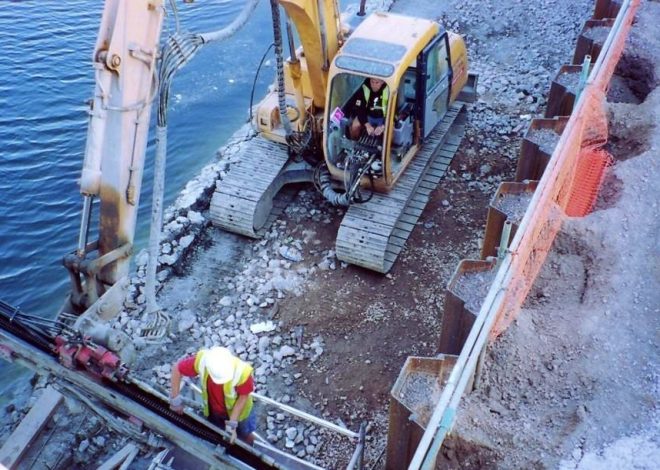
Simple ways structures stay strong even on unstable soft ground
Not every construction site offers firm ground. Some locations look stable at first, but once work begins, the soil starts to behave differently. That is where deeper support systems come into play, often without much attention from anyone outside the project. In many cases, Marine Bulkhead piling services are used to help structures remain steady when the surface alone cannot be trusted. It is not always obvious at the start. But the difference shows over time.
How deeper systems transfer weight safely
Instead of relying on weak upper layers, deeper systems send the load further down. They connect the structure to soil that can actually resist movement.
- Weight is directed toward stronger layers
- Pressure spreads more evenly below
- Movement at the surface becomes less impactful
It sounds simple when explained like this. But each site behaves a bit differently, so adjustments happen during the process.
Sometimes small ones, sometimes more than expected.
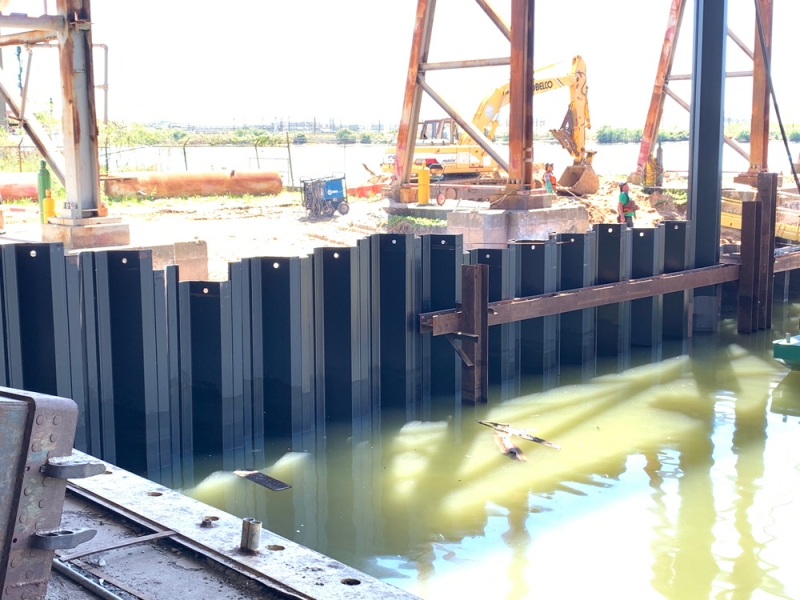
Differences seen between land and water projects
Working near water changes everything slightly. Soil holds more moisture, and that affects how it reacts under weight.
- Saturated soil loses strength faster
- Erosion can change ground shape over time
- Water movement adds extra pressure
So support systems used in these areas are designed with these factors in mind. Not just strength, but also resistance to long term environmental changes.
And even then, conditions can shift midway through work.
Why depth matters more than width sometimes
It might seem logical to spread weight across a wider surface. And in some cases, that works.
But when the upper layers are weak, spreading weight does not solve the issue. It just increases the area of instability.
Going deeper, however, connects the structure to layers that do not shift as easily.
So instead of widening the base, the focus shifts downward. Quietly, but effectively.
A closer look at long term behavior
Over months and years, the difference becomes clearer. Structures built on uncertain ground without proper support tend to show small issues first.
Then those small issues grow.
Whereas systems using Marine Bulkhead piling services tend to hold steady with fewer visible changes. Not completely untouched by time, but far more consistent in how they perform.
What really keeps things in place
In the end, stability is not about what is seen on the surface. It comes from how well the structure connects to what lies beneath.
That connection decides everything.
And once it is done right, it stays out of sight, doing its job quietly while everything above continues as if nothing unusual is happening.

How After-School Training helps to Builds kids Confidence and Focus
Afternoons can be different each day. Some days feel fine, other days just drift. A bag gets dropped near the door; shoes end up somewhere random, and before you know it, an hour is gone. Nothing terrible, just not very useful either.
That’s where Alamo Heights Combat Club after-school jiu jitsu sort of finds its place. Not in a loud, “this will change everything” way. It just gives that part of the day a bit of direction.
That stretch of time after school
Right after school, there is a weird window. Kids are tired but not calm. Sitting still again doesn’t really work. At the same time, too much free time turns into distraction.So having something in between helps.They show up, move around, and follow along. No big speeches, no pressure. Just doing something that keeps them engaged for a while. That alone shifts the mood of the evening.
Confidence builds in single step
A move that didn’t make sense suddenly clicks. They stop doubting every step.Those moments seem small, but they stay with them.
- they answer without overthinking
- they don’t back off as quickly
- they try again instead of giving up
Nothing big. Just steadily.
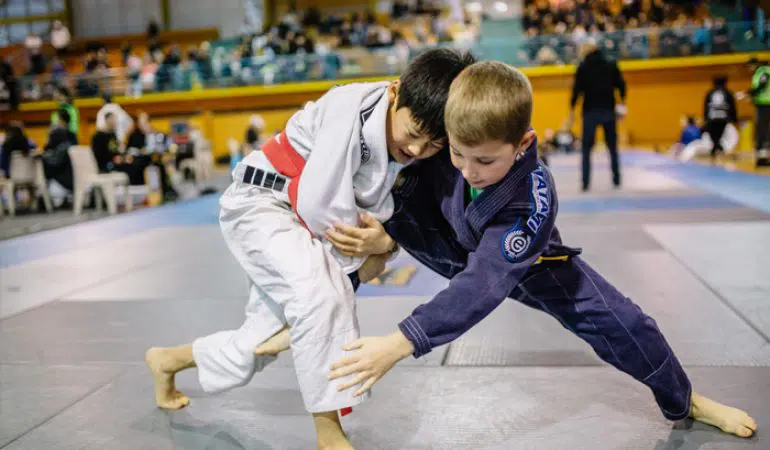
Focus happens on its own
Telling kids to focus usually doesn’t go far. But when they’re doing something that needs attention, they naturally stay with it.They have to watch closely, react, and adjust. If they drift, they notice right away. So, they come back to it without anyone pushing them.It’s a different kind of focus. Less forced, more natural.
Not too strict, not too loose
Some activities feel too relaxed; others feel too much. This sits somewhere in the middle of the room.When they come back to Alamo Heights Combat Club after-school jiu jitsu it doesn’t feel like a task. It’s just something they do.They know the pace, the people, the space. That familiarity helps more than you’d expect.
Getting used to try again
Some days don’t go smoothly. The move feels awkward. Someone else picks it up faster. That part can be frustrating.
But instead of stopping, they keep going.
- try again
- watch someone else do it
- make small adjustments
It’s not a big lesson in patience. It just becomes normal over time.
You notice it later
The interesting part is how it shows up outside of class.Waiting a bit longer without getting annoyed. Reacting less quickly. Handling small things without turning them into big ones.
It’s not a huge shift all at once. Just fewer rough moments, a bit more control, and a quiet kind of progress that builds without much noise.