
Fashion
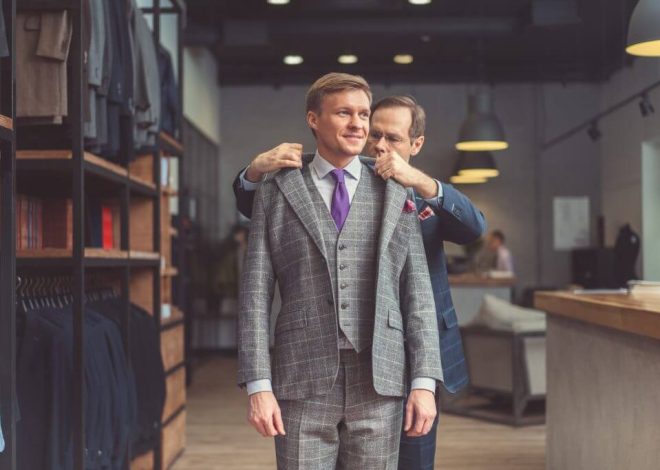
Workplace Changes Sometimes Influence Clothing Decisions More Than Expected
Most people do not notice the change when it starts. They notice it later. A few months into a new role. After a series of meetings. Maybe after seeing photographs from a company event and spending an extra second looking at them.
The job itself is usually the main focus. Learning new responsibilities. Managing new expectations. Trying to keep up. Clothing sits somewhere near the bottom of the list. Then, without much warning, it moves higher.
That is often where the tailored society begins making sense. Not because work suddenly becomes about appearance, but because people start paying attention to things they never bothered noticing before.
First Impressions Keep Happening
People often talk about first impressions like they happen once. They do not.
- A new client walks in.
- A manager visits from another office.
- Someone joins the company.
- Someone leaves.
Workplaces constantly introduce new situations where people meet each other for the first time. Nobody usually sits down and decides they need better fitting clothes because of that.
The process is less obvious. They simply start noticing things. Not only about themselves. About everyone.
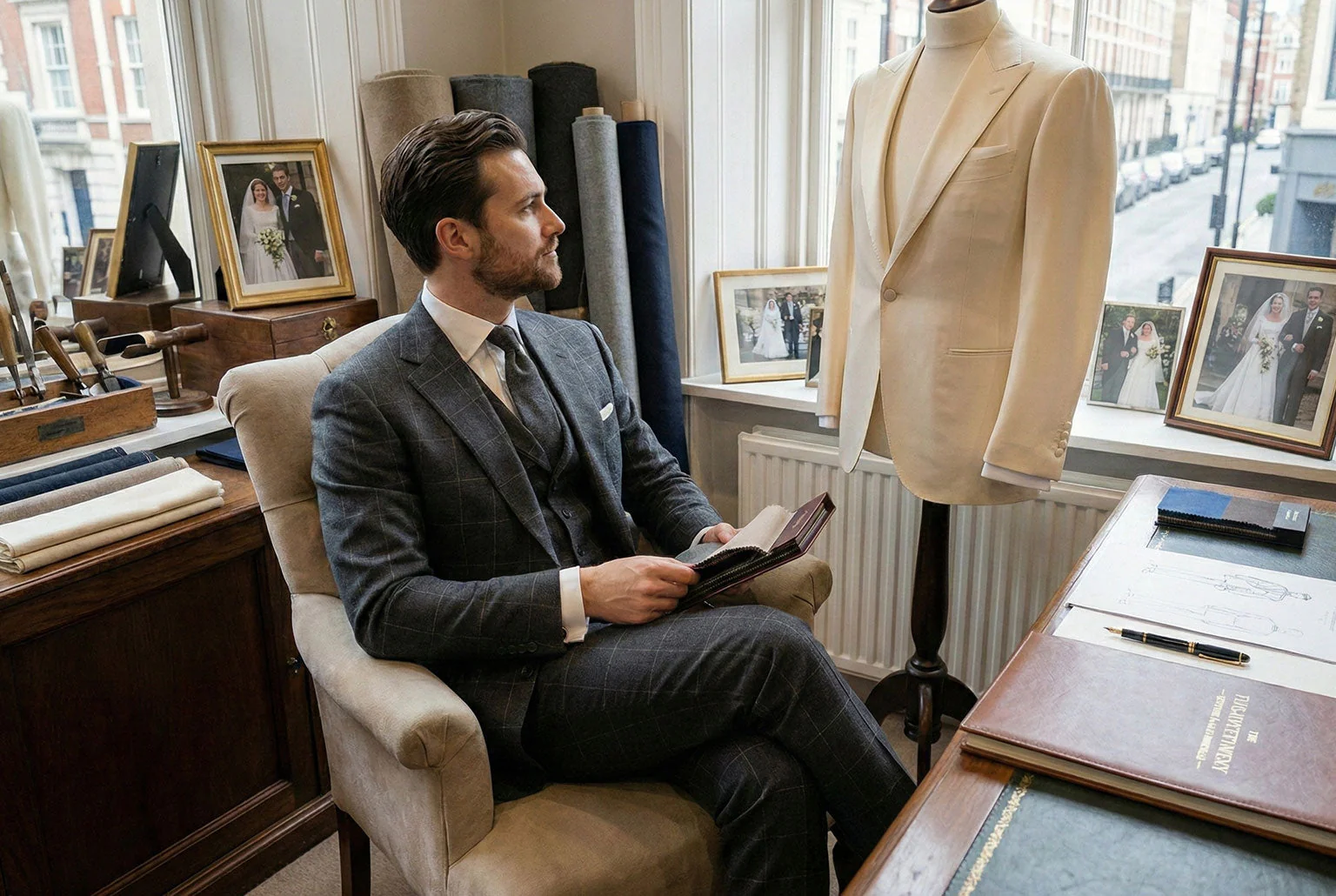
A Well Fitting Garment Gets Remembered
Most people forget average clothing fairly quickly. The pieces that fit reasonably well blend into everyday life. But occasionally something stands out.
- A jacket feels right from the moment it goes on.
- A shirt sits naturally throughout the day.
- Nothing pulls. Nothing shifts. Nothing demands attention.
The person may not understand exactly why it works. That almost makes it more memorable. After that, other garments start being compared against it. Not intentionally. It just happens.
Looking At The Wardrobe Differently
People often assume workplace changes lead to shopping trips. Sometimes they do. More often the process is slower. Someone starts paying attention to fit. Then measurements. Then alterations. Months pass before any major decisions get made. And even then, the changes are usually smaller than outsiders expect.
That is where the tailored society often connects with professional life. Not through fashion trends or complicated style advice, but through ordinary workdays where people begin noticing how clothing actually behaves during real situations.
A meeting runs long. A presentation takes most of the afternoon. A company event fills an entire evening. And somewhere during those moments, certain garments quietly separate themselves from the rest. Most people cannot identify the exact day it happened.