
Dental
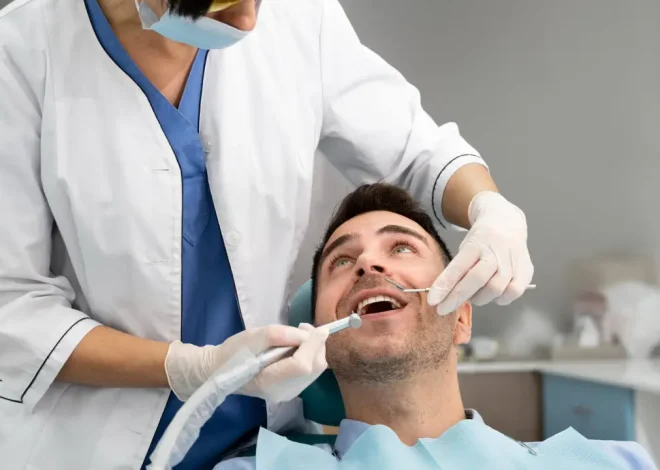
How Private Dentists Manage Dental Anxiety Through Continuity of Care and Long-Term Therapeutic Relationships
Understanding the Power of Consistent Dental Care
Dental anxiety affects a substantial portion of the population, with research indicating that between 36% and 75% of adults experience some degree of apprehension about dental visits. For many individuals, this anxiety creates a vicious cycle: fear prevents them from seeking treatment, which leads to deteriorating oral health, which in turn intensifies their anxiety about future appointments. Breaking this cycle requires more than clinical expertise; it demands a thoughtful approach to patient relationships that private dental practices such as a private dentist in Manchester are uniquely positioned to provide.
The traditional model of dental care, where patients might see different practitioners at each visit, can exacerbate feelings of vulnerability and unease. In contrast, private dental practices often emphasise continuity of care, allowing patients to develop meaningful therapeutic relationships with their dental professionals. This consistency forms the foundation for managing anxiety effectively, transforming what many perceive as an ordeal into a manageable, even comfortable experience.
The Therapeutic Value of Familiarity
When patients consistently see the same dental professional, a relationship of trust naturally develops over time. This familiarity allows dentists to understand not only their patients’ clinical histories but also their psychological triggers, communication preferences, and coping mechanisms. A private dentist who has treated the same patient over several years will recognise subtle signs of distress that might escape a practitioner meeting someone for the first time.
This depth of understanding enables dental professionals to tailor their approach to each individual. Some patients benefit from detailed explanations of every procedure, whilst others prefer minimal discussion and gentle distraction. Certain individuals respond well to humour and conversation, whereas others find comfort in silence and focused professionalism. These nuances can only be discovered and respected through ongoing relationships built over multiple appointments.
Building Trust Through Predictability
Anxious patients often fear the unknown more than the actual dental procedures themselves. According to research on dental anxiety and its management, predictability plays a crucial role in reducing patient stress. When individuals know what to expect from their dental environment, practitioner, and treatment approach, their anxiety levels decrease significantly. Long-term relationships with private dental practices provide this predictability, creating a safe space where patients can gradually overcome their fears.
Personalised Anxiety Management Strategies
Private dental practices with established patient relationships can implement highly personalised anxiety management strategies that evolve alongside their patients’ needs. These approaches extend far beyond simple chairside manner, encompassing comprehensive treatment planning that considers psychological wellbeing as thoroughly as clinical outcomes. Dentists who understand their patients’ anxiety patterns can schedule appointments at optimal times, break complex procedures into manageable stages, and provide appropriate intervals between treatments to prevent overwhelming their patients.
The clinical guidance on dental anxiety management emphasises the importance of individualised care plans. Within long-term therapeutic relationships, these plans become living documents that adapt as patients progress in their journey towards reduced anxiety. A patient who initially required sedation for routine cleanings might, after years of consistent care and growing trust, feel comfortable with standard procedures whilst still benefiting from established coping techniques developed with their familiar practitioner.
The Role of Communication in Reducing Fear
Effective communication lies at the heart of anxiety management in dental care. When patients maintain ongoing relationships with their dental professionals, communication becomes more nuanced and effective. Dentists learn their patients’ preferred terminology, understand which explanations provide reassurance and which create additional worry, and develop signals that allow patients to indicate discomfort without interrupting procedures.
Exploration into the impact of therapeutic relationships on dental anxiety demonstrates that patients who feel genuinely heard and understood by their dental professionals experience significantly lower anxiety levels. This communication extends beyond the treatment chair, encompassing pre-appointment discussions, post-treatment follow-ups, and the gradual education that helps patients understand their oral health in non-threatening terms.
Creating Lasting Change Through Consistent Care
The journey from dental anxiety to dental confidence rarely happens overnight. It requires patience, consistency, and the kind of supportive environment that only long-term therapeutic relationships can provide. Private dental practices that prioritise continuity of care recognise that managing dental anxiety is not merely about getting patients through individual appointments, but about fundamentally transforming their relationship with oral healthcare. Through sustained engagement with the same dental professionals, anxious patients discover that dental visits need not be sources of dread but rather opportunities for proactive health management supported by trusted, familiar practitioners who genuinely understand their needs.
How Craniosacral Therapy Integration Enhances TMJ Treatment and Promotes Whole-Body Dental Wellness
Understanding the Connection Between Craniosacral Work and Dental Health
The temporomandibular joint represents one of the most complex and frequently used joints in the human body, and when dysfunction occurs, the ripple effects can extend far beyond simple jaw discomfort. Most dentist Port Macquarie are increasingly recognising that addressing TMJ disorders requires a more comprehensive approach than traditional methods alone can provide. This is where craniosacral therapy enters the conversation, offering a complementary pathway that addresses the underlying tensions and restrictions affecting jaw function.
Craniosacral therapy focuses on the subtle rhythms and movements of the craniosacral system, which includes the membranes and cerebrospinal fluid surrounding the brain and spinal cord. When applied to TMJ treatment, this gentle manual therapy can release fascial restrictions and restore balance to the structures surrounding the jaw. The integration of these techniques with conventional dental care creates a synergistic approach that addresses both the mechanical and systemic factors contributing to temporomandibular dysfunction.
The Physiological Basis for Combining Therapies
The relationship between cranial bone movement and jaw function is more intimate than many people realise. The temporal bones, which house the temporomandibular joints, are directly influenced by the subtle movements within the craniosacral system. When restrictions occur in these areas, whether from dental procedures, trauma, or chronic tension patterns, the resulting compensation can manifest as grinding, clicking, limited range of motion, or persistent discomfort.
A dental team who understands these connections can work collaboratively with craniosacral practitioners to develop treatment plans that address the root causes of TMJ dysfunction. This integrated approach acknowledges that the jaw does not operate in isolation but is part of a complex network of fascial connections, muscular relationships, and neurological patterns that extend throughout the entire body.
How Craniosacral Techniques Support Dental Interventions
Reducing Muscular Tension and Fascial Restrictions
One of the primary benefits of incorporating craniosacral therapy into TMJ treatment lies in its ability to address chronic muscular holding patterns. The muscles of mastication—including the masseter, temporalis, and pterygoids—often develop significant tension in response to stress, misalignment, or compensatory patterns. Craniosacral techniques that focus on unwinding tension can help release these deeply held patterns, creating a more receptive environment for dental corrections to take hold.
Enhancing Treatment Outcomes Through Systemic Balance
Beyond addressing localised tension, craniosacral therapy contributes to improved treatment outcomes by promoting systemic balance throughout the body. When the craniosacral system functions optimally, it supports better circulation, reduces inflammation, and enhances the body’s innate healing mechanisms. These factors can significantly influence how well patients respond to dental interventions, from orthodontic adjustments to occlusal splint therapy.
The gentle nature of craniosacral work also makes it particularly valuable for patients who experience heightened sensitivity or anxiety related to dental treatment. By calming the nervous system and reducing overall tension, therapeutic approaches that incorporate craniosacral methods can help patients feel more comfortable and receptive to necessary dental procedures.
Practical Applications in Integrated Care
Implementing an integrated approach requires coordination between dental professionals and craniosacral practitioners. This collaboration might involve several key elements:
- Comprehensive assessment of jaw mechanics, postural patterns, and cranial symmetry
- Sequential treatment planning that addresses both structural and functional components
- Regular communication between practitioners to monitor progress and adjust protocols
- Patient education regarding the interconnected nature of jaw health and whole-body wellness
Patients seeking this type of comprehensive care may benefit from consulting with practitioners who understand the value of interdisciplinary approaches. Specialised craniosacral therapy for TMJ conditions can complement conventional dental care in ways that address the multifaceted nature of temporomandibular disorders.
The Future of Holistic Dental Wellness
The integration of craniosacral therapy with TMJ treatment represents a broader shift towards recognising the interconnected nature of oral health and systemic wellbeing. As more practitioners embrace this comprehensive perspective, patients gain access to treatment options that address not merely symptoms but the underlying patterns contributing to dysfunction. This holistic approach acknowledges that true dental wellness extends beyond the teeth and gums to encompass the entire craniosacral system and its influence on jaw function.
For those experiencing TMJ dysfunction, exploring integrated treatment options may provide relief where conventional approaches alone have fallen short. By combining the precision of modern dentistry with the subtle, systemic benefits of craniosacral therapy, practitioners can offer a more complete pathway to lasting comfort and improved function. This represents not merely an alternative approach but an evolution in how we understand and address the complex relationship between jaw health and overall wellbeing.
How Orthodontic Treatment Influences Speech Development and Clarity
The Intricate Connection Between Teeth Alignment and Articulation
The relationship between dental positioning and speech production represents one of the most fascinating intersections of oral health and communication. Whilst many people associate orthodontic treatment, provided by an orthodontist Liverpool, as being primarily to do with aesthetic improvements, the impact on speech clarity and development deserves equal attention. The positioning of teeth, jaw alignment, and overall oral structure play crucial roles in how sounds are formed, making orthodontic intervention a potential game-changer for those experiencing speech difficulties related to dental irregularities.
Speech production relies on a complex interplay between the tongue, lips, teeth, and palate. When teeth are misaligned or jaw positioning is incorrect, the tongue may struggle to find the proper placement for certain sounds. This can lead to articulation challenges that persist from childhood into adulthood if left unaddressed. Understanding this connection helps explain why many speech therapists work closely with dental professionals to achieve optimal outcomes for their patients.
Common Speech Challenges Linked to Dental Misalignment
Various orthodontic conditions can contribute to speech impediments, each affecting articulation in distinct ways. An overbite, where upper teeth significantly overlap the lower teeth, can interfere with the pronunciation of sounds like ‘s’ and ‘z’, creating a whistling effect or lisping pattern. Similarly, an underbite may cause difficulties with sounds that require the upper teeth to touch the lower lip, such as ‘f’ and ‘v’. Research has shown that tooth positioning significantly affects speech development in children, highlighting the importance of early intervention.
Open bites present another challenge, as the gap between upper and lower teeth when the mouth is closed prevents proper contact necessary for certain consonants. This condition frequently results in a frontal lisp, where the tongue protrudes through the gap during speech. Crossbites and crowding can also impact the tongue’s ability to move freely within the oral cavity, restricting the precise movements required for clear articulation. Studies examining speech and the dental interface provide valuable insights into these complex relationships.
How Orthodontic Interventions Improve Speech Patterns
Orthodontic treatment offers transformative possibilities for individuals struggling with speech clarity due to dental irregularities. Braces, aligners, and other corrective appliances work systematically to reposition teeth and adjust jaw alignment, creating the optimal oral environment for proper sound production. As teeth gradually shift into their correct positions, patients often notice improvements in their ability to articulate previously challenging sounds with greater ease and precision.
The journey towards improved speech through orthodontic treatment requires patience, as changes occur incrementally over months or even years. During the initial adjustment period, some patients may experience temporary speech alterations as they adapt to wearing braces or other appliances. This transitional phase typically resolves within a few weeks as the mouth adjusts to the new oral landscape. The long-term benefits, however, far outweigh these temporary inconveniences, particularly when treatment addresses underlying structural issues affecting communication.
The Role of Professional Assessment and Collaboration
Seeking guidance from a qualified orthodontist ensures that speech-related dental concerns receive comprehensive evaluation and appropriate treatment planning. Modern orthodontic practices increasingly recognise the importance of assessing speech patterns alongside traditional orthodontic considerations. This holistic approach enables practitioners to identify cases where orthodontic intervention may yield significant improvements in both dental alignment and speech clarity.
Collaboration between orthodontists and speech-language therapists represents best practice for patients experiencing significant articulation challenges. Recent research on orthodontic treatment outcomes demonstrates the value of interdisciplinary approaches in achieving optimal results. Whilst orthodontic treatment corrects the structural foundation, speech therapy can address learned articulation patterns and help patients maximise the benefits of their improved dental alignment.
The Long-Term Benefits of Addressing Speech Through Orthodontics
The positive impact of orthodontic treatment on speech extends well beyond improved articulation. Enhanced speech clarity contributes to greater confidence in social and professional settings, reducing anxiety associated with communication. Children who receive timely orthodontic intervention often experience improved academic performance and social integration, as clear speech facilitates better classroom participation and peer interactions. For adults, the benefits manifest in enhanced career opportunities and improved quality of life, demonstrating that investment in orthodontic care yields returns that transcend mere aesthetics and touch the very essence of human connection through communication.
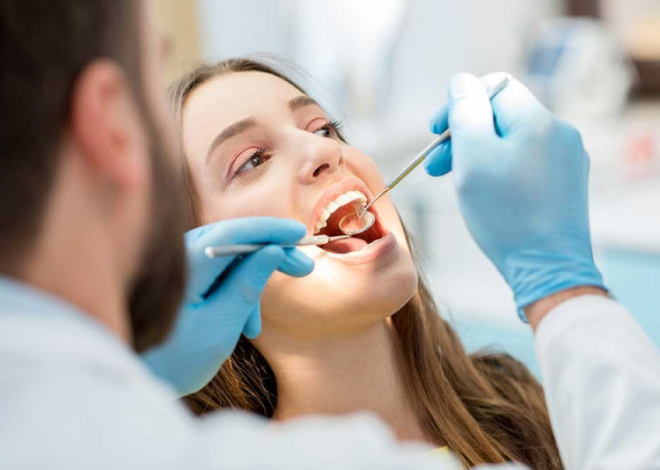
How Orthodontic Treatment Improves Chewing Efficiency and Nutritional Absorption
The Hidden Connection Between Straight Teeth and Digestive Health
When most people consider orthodontic treatment, they typically think about achieving a more attractive smile or correcting crooked teeth. However, the benefits of properly aligned teeth extend far beyond aesthetics. The relationship between orthodontic intervention and digestive health represents a fascinating area of dental science that deserves greater attention. Proper bite alignment plays a crucial role in how effectively food is broken down during mastication, which subsequently affects how well the body absorbs essential nutrients.
The digestive process begins the moment food enters the mouth, and the efficiency of this initial stage can have profound implications for overall health. When teeth are misaligned, the mechanical breakdown of food becomes compromised, potentially leading to larger food particles entering the digestive system. This can place additional strain on the stomach and intestines, reducing the body’s ability to extract vital nutrients from meals. For those seeking expert guidance on such matters, a Specialist Orthodontist Battersea & Kensington can provide comprehensive assessments of how bite irregularities may be affecting digestive function.
Understanding the Mechanics of Mastication
Mastication, or chewing, serves as the cornerstone of proper digestion. This complex process involves the coordinated action of teeth, jaw muscles, and the temporomandibular joint working in harmony. When orthodontic issues such as malocclusion, crossbite, or overbite are present, this delicate balance becomes disrupted. The teeth may not meet properly during chewing, resulting in an uneven distribution of force and inadequate food breakdown.
Research has demonstrated that orthodontic treatment significantly improves masticatory performance, enabling patients to process food more thoroughly. This enhanced chewing efficiency means that food particles are reduced to smaller sizes before swallowing, facilitating easier enzymatic breakdown in the stomach and small intestine. The surface area of food particles increases dramatically when properly chewed, allowing digestive enzymes to work more effectively and accelerating the absorption of nutrients into the bloodstream.
Common Orthodontic Issues That Affect Chewing
Malocclusion and Its Impact
Malocclusion, characterised by improper alignment of the upper and lower teeth, represents one of the most prevalent orthodontic conditions affecting chewing efficiency. When teeth do not fit together correctly, certain areas of the mouth may bear excessive force whilst others remain underutilised.
This uneven distribution prevents optimal grinding and crushing of food, particularly tougher items such as raw vegetables, nuts, and lean meats. Patients with severe malocclusion often unconsciously adapt their diet to include softer foods that require less chewing effort, potentially limiting their nutritional variety and intake of essential vitamins and minerals.
Crowding and Spacing Issues
Dental crowding occurs when insufficient space exists for teeth to align properly within the jaw. This condition creates overlapping teeth and irregular surfaces that trap food particles and reduce the effective grinding area available during chewing. Conversely, excessive spacing between teeth can allow food to escape proper mastication, resulting in inadequately processed morsels being swallowed whole. Both scenarios compromise the digestive system’s ability to extract maximum nutritional value from consumed food.
The Nutritional Benefits of Orthodontic Correction
Following successful orthodontic treatment, patients frequently report notable improvements in their eating experiences. The ability to chew food thoroughly translates directly into better nutritional absorption. Studies have shown that improved bite alignment correlates with enhanced digestive outcomes, as properly masticated food allows for more efficient breakdown of proteins, carbohydrates, and fats.
Furthermore, thorough chewing stimulates increased saliva production, which contains essential enzymes such as amylase that begin the chemical digestion of starches whilst food remains in the mouth. This enzymatic head start proves invaluable for overall digestive efficiency. The connection between orthodontics and digestive health continues to gain recognition within the medical community as research unveils the far-reaching implications of proper bite alignment.
Long-Term Health Implications and Final Thoughts
The decision to pursue orthodontic treatment represents an investment in both oral health and overall wellbeing. Beyond the immediate aesthetic improvements, patients gain the ability to process food more effectively, leading to enhanced nutrient absorption and potentially improved energy levels, immune function, and general vitality. Those considering such treatment would benefit from consulting with a Specialist Orthodontist Battersea & Kensington to explore personalised treatment options.
The relationship between properly aligned teeth and digestive health underscores the interconnected nature of bodily systems. By addressing orthodontic concerns, individuals can unlock improvements that extend throughout the entire digestive tract, demonstrating that a healthy smile truly does contribute to a healthier body overall.
Transforming Dental Websites Through Progressive Web App Technology
The Digital Revolution in Dental Practice Marketing
The landscape of dental practice marketing has undergone a remarkable transformation over the past decade, with digital presence becoming as crucial as clinical expertise. Modern patients expect seamless online experiences when searching for healthcare providers, and dental practices must adapt to meet these evolving demands. Progressive Web App (PWA) technology represents the next frontier in this digital evolution, offering dental practices an opportunity to deliver exceptional online experiences that bridge the gap between traditional websites and native mobile applications.
For dental practices seeking to maintain a competitive edge, understanding the potential of PWA technology has become essential. This innovative approach combines the accessibility of websites with the functionality of mobile apps, creating a hybrid solution that addresses many of the limitations faced by conventional dental websites. As patient expectations continue to rise, practices that embrace this technology position themselves at the forefront of digital healthcare delivery.
Understanding Progressive Web Apps in Dentistry
Progressive Web Apps represent a sophisticated technological approach that enables websites to function with app-like capabilities whilst remaining accessible through standard web browsers. Unlike traditional websites, PWAs can operate offline, send push notifications, and provide lightning-fast loading times that significantly enhance user experience. For dental practices, this translates into improved patient engagement, higher conversion rates, and a more professional digital presence that reflects the quality of care provided.
The advantages of implementing PWA technology in healthcare settings extend far beyond mere aesthetic improvements. These applications leverage modern web capabilities to create experiences that feel native to mobile devices whilst maintaining the universal accessibility of traditional websites. Patients can add the practice’s PWA to their home screen, receive appointment reminders through push notifications, and access essential information even when internet connectivity is limited or unavailable.
Key Benefits for Dental Practices
Enhanced Patient Engagement
Progressive Web Apps excel at maintaining continuous engagement with patients through features that traditional websites simply cannot match. The ability to send timely push notifications ensures that appointment reminders, special offers, and important practice updates reach patients directly on their devices. This direct communication channel reduces missed appointments and strengthens the patient-practice relationship without requiring patients to download a separate application from app stores.
Improved Performance and Accessibility
One of the most compelling advantages of PWA technology lies in its superior performance capabilities. Dental websites powered by PWA architecture load instantaneously, even on slower mobile networks, ensuring that potential patients never abandon their search due to frustrating loading times. The technology employs intelligent caching strategies that store essential resources locally on users’ devices, enabling swift navigation and reducing data consumption. This performance optimisation proves particularly valuable in areas with inconsistent internet coverage, ensuring that practice information remains accessible regardless of connectivity challenges.
Cost-Effective Development and Maintenance
Traditional mobile application development requires separate versions for iOS and Android platforms, doubling development costs and ongoing maintenance requirements. Progressive Web Apps eliminate this redundancy by functioning seamlessly across all devices and operating systems through a single codebase. Dental practices can allocate resources more efficiently, investing in enhanced features and superior user experiences rather than managing multiple platform-specific applications. This streamlined approach also simplifies updates, as changes deploy instantly to all users without requiring manual downloads or app store approvals.
Implementation Considerations
Transitioning to PWA technology requires careful planning and execution to maximise benefits. Dental practices should prioritise features that directly enhance patient experience, such as online booking systems, treatment information libraries, and secure patient portals. The integration of PWAs within healthcare environments demonstrates the versatility of this technology in managing sensitive patient data while maintaining robust security standards. Practices must ensure that their PWA implementation complies with healthcare regulations and data protection requirements, particularly when handling confidential patient information.
Furthermore, implementing PWA solutions in healthcare requires collaboration with developers who understand both the technical requirements and the unique needs of dental practices. The transition should be phased carefully, with thorough testing across various devices and browsers to ensure consistent performance and user experience.
The Future of Digital Dental Practice
Progressive Web App technology represents a significant leap forward in how dental practices engage with current and prospective patients online. By combining the best aspects of websites and mobile applications, PWAs deliver superior user experiences that reflect the professionalism and quality of modern dental care. Practices that embrace this technology position themselves advantageously in an increasingly competitive digital landscape, demonstrating their commitment to innovation and patient-centred service delivery. As patient expectations continue to evolve, PWA technology offers a future-proof solution that adapts to changing needs whilst maintaining accessibility and performance excellence.