How Orthodontic Treatment Influences Speech Development and Clarity
The Intricate Connection Between Teeth Alignment and Articulation
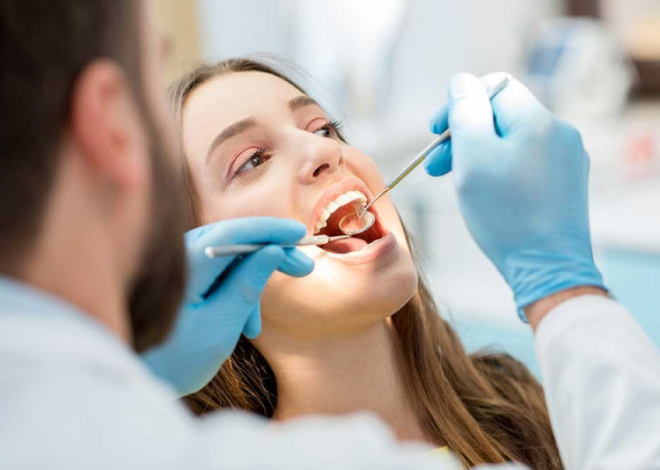
The relationship between dental positioning and speech production represents one of the most fascinating intersections of oral health and communication. Whilst many people associate orthodontic treatment, provided by an orthodontist Liverpool, as being primarily to do with aesthetic improvements, the impact on speech clarity and development deserves equal attention. The positioning of teeth, jaw alignment, and overall oral structure play crucial roles in how sounds are formed, making orthodontic intervention a potential game-changer for those experiencing speech difficulties related to dental irregularities.
Speech production relies on a complex interplay between the tongue, lips, teeth, and palate. When teeth are misaligned or jaw positioning is incorrect, the tongue may struggle to find the proper placement for certain sounds. This can lead to articulation challenges that persist from childhood into adulthood if left unaddressed. Understanding this connection helps explain why many speech therapists work closely with dental professionals to achieve optimal outcomes for their patients.
Common Speech Challenges Linked to Dental Misalignment
Various orthodontic conditions can contribute to speech impediments, each affecting articulation in distinct ways. An overbite, where upper teeth significantly overlap the lower teeth, can interfere with the pronunciation of sounds like ‘s’ and ‘z’, creating a whistling effect or lisping pattern. Similarly, an underbite may cause difficulties with sounds that require the upper teeth to touch the lower lip, such as ‘f’ and ‘v’. Research has shown that tooth positioning significantly affects speech development in children, highlighting the importance of early intervention.
Open bites present another challenge, as the gap between upper and lower teeth when the mouth is closed prevents proper contact necessary for certain consonants. This condition frequently results in a frontal lisp, where the tongue protrudes through the gap during speech. Crossbites and crowding can also impact the tongue’s ability to move freely within the oral cavity, restricting the precise movements required for clear articulation. Studies examining speech and the dental interface provide valuable insights into these complex relationships.
How Orthodontic Interventions Improve Speech Patterns
Orthodontic treatment offers transformative possibilities for individuals struggling with speech clarity due to dental irregularities. Braces, aligners, and other corrective appliances work systematically to reposition teeth and adjust jaw alignment, creating the optimal oral environment for proper sound production. As teeth gradually shift into their correct positions, patients often notice improvements in their ability to articulate previously challenging sounds with greater ease and precision.
The journey towards improved speech through orthodontic treatment requires patience, as changes occur incrementally over months or even years. During the initial adjustment period, some patients may experience temporary speech alterations as they adapt to wearing braces or other appliances. This transitional phase typically resolves within a few weeks as the mouth adjusts to the new oral landscape. The long-term benefits, however, far outweigh these temporary inconveniences, particularly when treatment addresses underlying structural issues affecting communication.
The Role of Professional Assessment and Collaboration
Seeking guidance from a qualified orthodontist ensures that speech-related dental concerns receive comprehensive evaluation and appropriate treatment planning. Modern orthodontic practices increasingly recognise the importance of assessing speech patterns alongside traditional orthodontic considerations. This holistic approach enables practitioners to identify cases where orthodontic intervention may yield significant improvements in both dental alignment and speech clarity.
Collaboration between orthodontists and speech-language therapists represents best practice for patients experiencing significant articulation challenges. Recent research on orthodontic treatment outcomes demonstrates the value of interdisciplinary approaches in achieving optimal results. Whilst orthodontic treatment corrects the structural foundation, speech therapy can address learned articulation patterns and help patients maximise the benefits of their improved dental alignment.
The Long-Term Benefits of Addressing Speech Through Orthodontics
The positive impact of orthodontic treatment on speech extends well beyond improved articulation. Enhanced speech clarity contributes to greater confidence in social and professional settings, reducing anxiety associated with communication. Children who receive timely orthodontic intervention often experience improved academic performance and social integration, as clear speech facilitates better classroom participation and peer interactions. For adults, the benefits manifest in enhanced career opportunities and improved quality of life, demonstrating that investment in orthodontic care yields returns that transcend mere aesthetics and touch the very essence of human connection through communication.