

How After-School Training helps to Builds kids Confidence and Focus
Afternoons can be different each day. Some days feel fine, other days just drift. A bag gets dropped near the door; shoes end up somewhere random, and before you know it, an hour is gone. Nothing terrible, just not very useful either.
That’s where Alamo Heights Combat Club after-school jiu jitsu sort of finds its place. Not in a loud, “this will change everything” way. It just gives that part of the day a bit of direction.
That stretch of time after school
Right after school, there is a weird window. Kids are tired but not calm. Sitting still again doesn’t really work. At the same time, too much free time turns into distraction.So having something in between helps.They show up, move around, and follow along. No big speeches, no pressure. Just doing something that keeps them engaged for a while. That alone shifts the mood of the evening.
Confidence builds in single step
A move that didn’t make sense suddenly clicks. They stop doubting every step.Those moments seem small, but they stay with them.
- they answer without overthinking
- they don’t back off as quickly
- they try again instead of giving up
Nothing big. Just steadily.
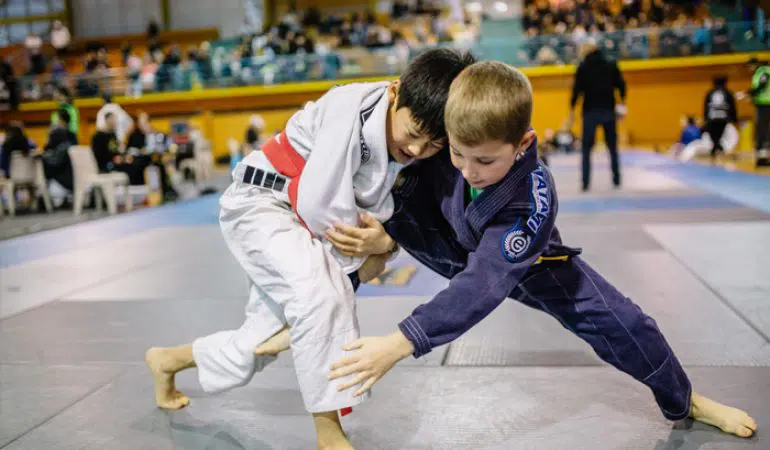
Focus happens on its own
Telling kids to focus usually doesn’t go far. But when they’re doing something that needs attention, they naturally stay with it.They have to watch closely, react, and adjust. If they drift, they notice right away. So, they come back to it without anyone pushing them.It’s a different kind of focus. Less forced, more natural.
Not too strict, not too loose
Some activities feel too relaxed; others feel too much. This sits somewhere in the middle of the room.When they come back to Alamo Heights Combat Club after-school jiu jitsu it doesn’t feel like a task. It’s just something they do.They know the pace, the people, the space. That familiarity helps more than you’d expect.
Getting used to try again
Some days don’t go smoothly. The move feels awkward. Someone else picks it up faster. That part can be frustrating.
But instead of stopping, they keep going.
- try again
- watch someone else do it
- make small adjustments
It’s not a big lesson in patience. It just becomes normal over time.
You notice it later
The interesting part is how it shows up outside of class.Waiting a bit longer without getting annoyed. Reacting less quickly. Handling small things without turning them into big ones.
It’s not a huge shift all at once. Just fewer rough moments, a bit more control, and a quiet kind of progress that builds without much noise.

Related Posts

Ways Tutor Helps You to Succeed in Learning Chemistry

How could you get more marks in physics?
