
Tired Of An Exposed Yard? Privacy Fencing Creates Better Separation
An exposed yard can make outdoor areas feel less personal. Open sightlines often connect seating spaces with nearby activity. A well-positioned barrier changes how the area functions. For homeowners planning that change, Fencing company in Buda, TX services can support suitable height and placement choices. Those details matter because screening depends on viewing angles. Gate locations also affect movement around the boundary. Together, these choices create separation without making the yard feel enclosed.
Solid Panels Create Defined Boundaries
Solid fencing blocks direct views from nearby areas. Taller panels can shield seating spaces, patios, and garden sections. Placement matters because an offset angle may expose gaps. Careful alignment creates consistent coverage while preserving useful access points.
Which Fence Height Supports Privacy?
Fence height should reflect the sightline needing control. A lower structure can define boundaries without dominating the yard. Taller construction offers stronger screening around private areas. Local requirements and property conditions should guide final dimensions.
- Measure nearby viewing angles first.
- Keep gate access convenient.
- Consider sunlight before choosing height.
- Check drainage paths along boundaries.
- Maintain clear access for maintenance.
Material Choices Shape Outdoor Separation
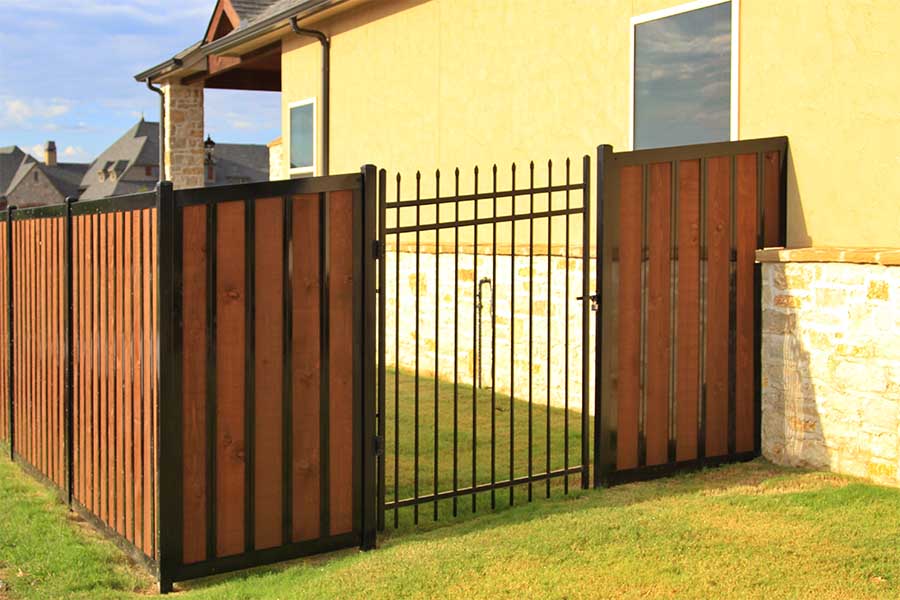
Material selection affects both privacy and appearance. Wood panels provide a solid visual barrier with natural character. Composite materials offer another option for consistent surfaces. Metal designs can define boundaries, although open spacing provides less screening.
For homeowners comparing installation approaches, a Fencing company in Buda, TX can assess surrounding structures and recommend suitable configurations. The right choice depends on maintenance needs, desired screening, property layout, and long-term use.
Can Gates Maintain Private Areas?
A privacy fence needs gates that support the same purpose. Wide openings can weaken separation even when panels remain solid. Gate placement should follow normal movement patterns. Self-closing hardware can also help maintain controlled access around private outdoor areas.
- Position gates near regular entry paths.
- Match gate height with adjacent panels.
- Allow enough clearance for equipment.
- Keep hinges accessible for future servicing.
Yard Layout Influences Screening Results
Fence placement should respond to actual yard use. A seating area may need stronger screening than an open lawn. Garden beds can benefit from partial separation without losing sunlight. Strategic placement also prevents unnecessary fencing across useful access routes.
Defined Edges Change Outdoor Use
A separated yard can encourage different activities without adding another structure. A screened patio may support quiet gatherings, while an open section remains available for recreation. The fence therefore becomes part of the yard’s functional layout.
A key detail is sightline control. Even a small opening near a gate can expose a seating area. Closing that overlooked point may matter more than extending fencing across an entire boundary.
Strategic Screening Protects Valuable Space
A privacy fence does more than mark a boundary. It can redirect attention toward useful outdoor areas while reducing unwanted sightlines. When a gate, patio, and fence height work together, separation becomes functional rather than restrictive. That small design decision can turn an exposed seating corner into a more purposeful part of the yard.
FAQs
Does privacy fencing block all outside views?
Solid panels can reduce direct sightlines substantially. Exact coverage depends on fence height, terrain, nearby structures, and viewing angles.
What fence height works for private yards?
Height depends on the area requiring screening. Local requirements, surrounding elevations, and intended outdoor activities should guide the final measurement.
Can gates match privacy fencing?
Yes. Matching gate height and panel design creates more consistent separation. Proper placement also keeps everyday movement convenient.
Does fence placement affect sunlight?
Yes. Taller fencing can change light patterns. Positioning panels carefully helps preserve sunlight for gardens, patios, and other outdoor areas.