
September 2026

Examining used Tacoma for sale in San Diego Through Available Bed Configurations
At a weekend gathering, someone set a folded chair beside the truck bed because there wasn’t enough room inside. That small choice said more than a sales description could. Bed space matters when real belongings need to travel. The listing at https://www.bobjohnsonvw.com/used-vehicles-syracuse/ gives a starting point for comparing available choices. The useful question is whether the bed arrangement matches the work ahead.
Bed Length Changes Daily Use
A truck bed isn’t just an empty box. Its dimensions affect what can be carried and how items are arranged. A shorter bed may suit ordinary errands where cargo remains compact. Longer space can help when boards, tools, outdoor equipment, or large containers need room.
Think about the items that regularly need transportation. Measure them if possible. Guessing can lead to an awkward fit later.
- Measure bulky items before deciding on suitable bed space.
- Check tie down points when securing loose cargo during travel.
- Consider loading height for heavier objects moved without assistance.
- Leave room around cargo for safer handling during unloading.
Match Space to Actual Habits
Bed configuration should follow real use rather than an imagined list of future needs. Someone carrying small equipment several times each week may value easy loading more than maximum length. Another owner might need additional room for larger materials.
A useful comparison starts with ordinary tasks. Used Tacoma bed configurations should be judged according to those tasks rather than appearance alone. That simple distinction can prevent choosing more space than necessary or discovering too little room later.
The bed isn’t the only factor. Rear seating, parking needs, turning space, and overall vehicle size can affect everyday decisions too.

Consider Who Uses the Space
Bed choice can change depending on who normally handles the cargo. One person may load everything alone. Another may regularly have assistance from a second person.
Group needs can also affect how much room remains after everyday supplies are added. A family outing may require passenger space first, while work-related duties could place greater emphasis on the rear bed.
There isn’t one ideal arrangement for every owner. A practical choice comes from matching dimensions to actual habits, https://www.mavericktoyota.com/used-vehicles-san-diego/tacoma physical effort, and the type of cargo handled most often.
Compare Configurations Before Deciding
A simple comparison can make the differences easier to judge. Instead of focusing on a single measurement, consider how each arrangement affects loading, storage, and daily movement.
| Factor | What To Check | Why It Matters |
| Mileage | Current odometer reading | Indicates previous usage |
| Service History | Recorded maintenance | Shows past care |
| Storage | Available cargo room | Supports carrying needs |
| Seating | Passenger capacity | Helps match household use |
| Safety | Available protective systems | Supports responsible operation |
| Condition | Exterior and interior state | Helps identify repair needs |
| Operating Costs | Fuel and service needs | Supports budget planning |
Questions Worth Asking Before Purchase
A few direct questions can prevent confusion when comparing available choices. The answers should come from actual measurements and regular usage rather than assumptions.
- Which bed size suits regular carrying needs?Choose the arrangement that accommodates your most common cargo without unnecessary unused space.
- Should large items be measured beforehand? Measurements provide a clearer answer than estimating from appearance.
- Does loading height matter? Frequent lifting can make height an important practical consideration.
- Are tie down points worth checking? They help secure cargo during normal road movement.
- Should parking space influence the choice? A larger overall vehicle can require more room in tight areas.
A Small Detail Can Matter
The folded chair from that gathering was never the real problem. The issue was simply that available space had been assumed rather than considered. Bed configuration works much the same way. A few inches can change how an item sits, where another object goes, or whether loading feels manageable.
Good decisions come from checking actual belongings, measuring available space, and considering how often those tasks occur. The right arrangement doesn’t need to offer the most room. It needs to provide useful room without creating problems elsewhere.
Before making a choice, review the bed dimensions alongside passenger needs, parking conditions, cargo weight, and loading habits. That gives the comparison a practical foundation. A tape measure and a short list of regular tasks can often reveal more than a long feature sheet.

Tired Of An Exposed Yard? Privacy Fencing Creates Better Separation
An exposed yard can make outdoor areas feel less personal. Open sightlines often connect seating spaces with nearby activity. A well-positioned barrier changes how the area functions. For homeowners planning that change, Fencing company in Buda, TX services can support suitable height and placement choices. Those details matter because screening depends on viewing angles. Gate locations also affect movement around the boundary. Together, these choices create separation without making the yard feel enclosed.
Solid Panels Create Defined Boundaries
Solid fencing blocks direct views from nearby areas. Taller panels can shield seating spaces, patios, and garden sections. Placement matters because an offset angle may expose gaps. Careful alignment creates consistent coverage while preserving useful access points.
Which Fence Height Supports Privacy?
Fence height should reflect the sightline needing control. A lower structure can define boundaries without dominating the yard. Taller construction offers stronger screening around private areas. Local requirements and property conditions should guide final dimensions.
- Measure nearby viewing angles first.
- Keep gate access convenient.
- Consider sunlight before choosing height.
- Check drainage paths along boundaries.
- Maintain clear access for maintenance.
Material Choices Shape Outdoor Separation
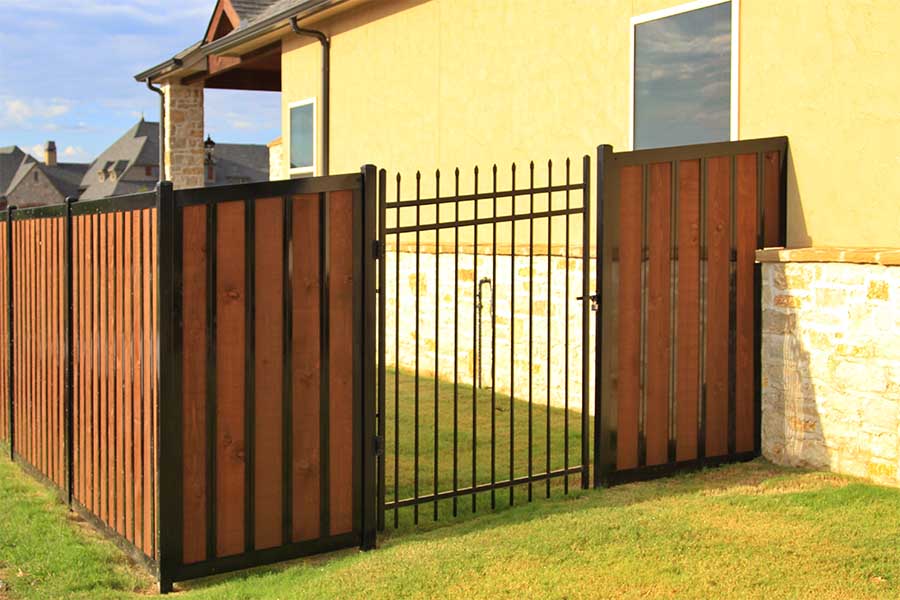
Material selection affects both privacy and appearance. Wood panels provide a solid visual barrier with natural character. Composite materials offer another option for consistent surfaces. Metal designs can define boundaries, although open spacing provides less screening.
For homeowners comparing installation approaches, a Fencing company in Buda, TX can assess surrounding structures and recommend suitable configurations. The right choice depends on maintenance needs, desired screening, property layout, and long-term use.
Can Gates Maintain Private Areas?
A privacy fence needs gates that support the same purpose. Wide openings can weaken separation even when panels remain solid. Gate placement should follow normal movement patterns. Self-closing hardware can also help maintain controlled access around private outdoor areas.
- Position gates near regular entry paths.
- Match gate height with adjacent panels.
- Allow enough clearance for equipment.
- Keep hinges accessible for future servicing.
Yard Layout Influences Screening Results
Fence placement should respond to actual yard use. A seating area may need stronger screening than an open lawn. Garden beds can benefit from partial separation without losing sunlight. Strategic placement also prevents unnecessary fencing across useful access routes.
Defined Edges Change Outdoor Use
A separated yard can encourage different activities without adding another structure. A screened patio may support quiet gatherings, while an open section remains available for recreation. The fence therefore becomes part of the yard’s functional layout.
A key detail is sightline control. Even a small opening near a gate can expose a seating area. Closing that overlooked point may matter more than extending fencing across an entire boundary.
Strategic Screening Protects Valuable Space
A privacy fence does more than mark a boundary. It can redirect attention toward useful outdoor areas while reducing unwanted sightlines. When a gate, patio, and fence height work together, separation becomes functional rather than restrictive. That small design decision can turn an exposed seating corner into a more purposeful part of the yard.
FAQs
Does privacy fencing block all outside views?
Solid panels can reduce direct sightlines substantially. Exact coverage depends on fence height, terrain, nearby structures, and viewing angles.
What fence height works for private yards?
Height depends on the area requiring screening. Local requirements, surrounding elevations, and intended outdoor activities should guide the final measurement.
Can gates match privacy fencing?
Yes. Matching gate height and panel design creates more consistent separation. Proper placement also keeps everyday movement convenient.
Does fence placement affect sunlight?
Yes. Taller fencing can change light patterns. Positioning panels carefully helps preserve sunlight for gardens, patios, and other outdoor areas.

Energy-Efficient HVAC Upgrades Supporting Lower Residential Energy Consumption
Efficient home climate management can reduce electricity use while maintaining steady indoor temperatures. HVAC improvements can help households manage heating and cooling demands through better equipment selection. Upgraded controls can regulate operation according to changing conditions. Improved airflow also helps maintain consistent room temperatures. For tailored assistance, homeowners can consider cool crew hvac company in austin for dependable heating and cooling services.
Efficient Equipment Selection
Modern HVAC equipment can use electricity more effectively during regular household operation. Selecting suitable capacity helps match output with the size of living areas. Efficient motors can reduce unnecessary power use during repeated cycles. Proper equipment sizing also helps maintain balanced temperature control throughout occupied rooms.
Improved Airflow Management
Clean pathways allow conditioned air to move through rooms more evenly. Restricted airflow can make equipment work harder during regular operation. Properly maintained ducts can help direct heated or cooled air toward intended areas. Balanced registers can also support consistent temperatures across different sections of a residence.
Homeowners can improve airflow through several practical measures.
- Sealed duct connections help reduce unwanted air loss during operation.
- Clean filters allow stronger movement through indoor circulation paths.
- Balanced registers distribute conditioned air across occupied rooms evenly.
- Clear vents encourage unrestricted movement throughout living areas.
- Insulated ducts help preserve desired temperatures during air movement.
These measures can improve efficiency while helping existing equipment operate more smoothly.

Smart Temperature Control
Programmable controls allow households to adjust indoor temperatures according to daily routines. Automated settings can reduce unnecessary operation during sleeping or unoccupied periods. Zoning controls can direct heating or cooling toward rooms that require attention. These adjustments can reduce electricity demand without affecting regular household schedules.
Regular System Maintenance
Routine maintenance helps HVAC equipment retain efficient operating performance. Replacing worn components can support dependable airflow and temperature regulation. Filter changes can keep circulating air cleaner while reducing resistance inside equipment. Inspection of electrical connections can also support reliable operation through cool crew hvac company in austin.
Insulation And Heat Control
Better insulation can support inside temperatures remain stable for longer periods. Sealed gaps around windows and doors can reduce unwanted heat movement. Attic insulation can also limit temperature transfer through upper sections of a residence. These improvements allow cooling or heating equipment to maintain selected settings with less effort.
Energy-efficient HVAC upgrades can make household temperature management more economical through improved equipment performance and better control. Homeowners can combine suitable capacity with airflow improvements and insulation measures. Regular maintenance can preserve operating quality over time. Thoughtful temperature scheduling can further reduce unnecessary electricity use.

Vape Cart or Disposable? Pick Based on Your Actual Day, Not the Packaging
Somebody hands you two options at the counter, a cartridge and a disposable, and both promise the same kind of high, though it helps to learn more about cannabis vapes before assuming one is obviously better than the other. That decision matters more than the flavor name printed on the box.
Start With How You Actually Use It
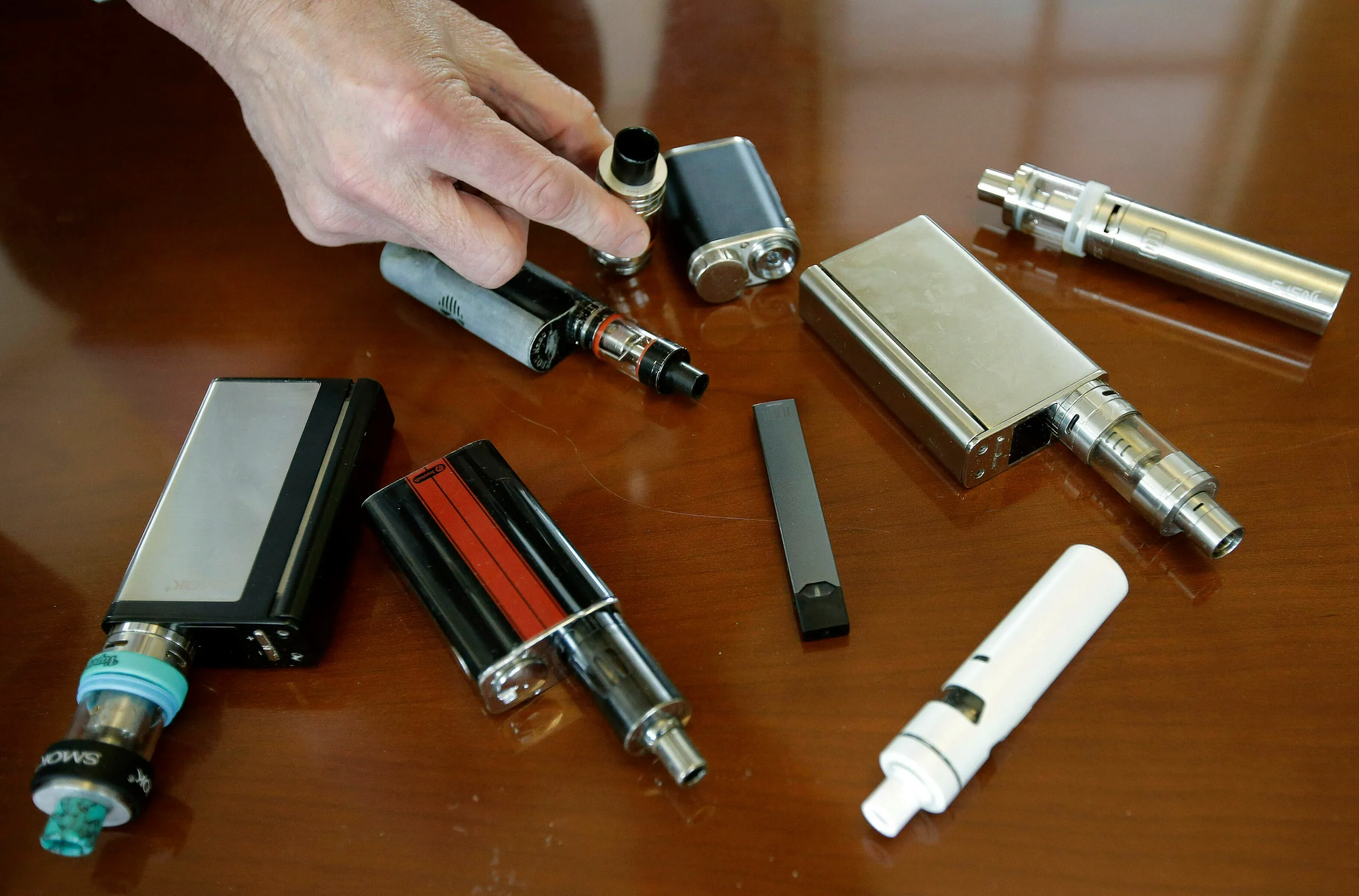
People pick formats based on what looks good in a photo, then wonder why the thing ends up sitting in a drawer for weeks. If you smoke occasionally, in short bursts, mostly around friends, a disposable tends to make more sense. There’s no battery to charge and no cart to swap in. You use it, you’re done, you move on with your evening. If you vape more often, a rechargeable battery paired with a cartridge usually stretches your money further and gives you more control over how much you’re actually pulling in each hit.
What People Get Wrong About Cartridges
A cartridge asks a little more of you than a disposable does. You need a compatible battery, you need to remember to charge it, and you need to store the cart upright so oil doesn’t pool near the mouthpiece. None of that is hard. It’s a small daily habit, and habits are exactly what people underestimate when they’re standing at a counter trying to make a fast decision under fluorescent lighting.
Where Disposables Actually Win
This is usually where disposable formats earn their reputation, which is why it’s worth taking a minute to learn more about cannabis vapes built specifically for travel. Travel days, festivals, a weekend where thinking about equipment sounds exhausting, disposables remove every extra step between you and the actual experience. You give up a bit of long term value in exchange for pure simplicity. Simplicity is worth something too, especially on the days you didn’t plan well.
Resale Value Isn’t a Thing Here, So Don’t Overthink It
Unlike gadgets you might upgrade and sell later, there’s no secondary market for a half used cart or an opened disposable, so there’s no financial safety net either way if you pick wrong. That actually simplifies the decision. You’re not protecting a resale value, you’re just choosing what serves the next few weeks best.
Neither format is objectively better. One is only better for the particular week you’re actually having, and paying attention to that beats paying attention to the packaging every time.

What Owners Should Think About Before Selling a Business
Selling a company is rarely just a matter of finding someone willing to buy it. Long before negotiations begin, an owner has to look at how the business runs, how clearly its finances are recorded, and how much of the operation depends on the person who currently leads it. For anyone considering selling a privately owned business, that preparation can make the eventual transition easier to understand and manage.
A business that works well day to day may still be difficult for an outside buyer to assess. Important knowledge might sit with one person. Records may have been kept for internal use rather than for someone unfamiliar with the company. Even routine tasks can become unclear when nobody has written down how they are handled.
Everyday operations should not live only in someone’s head
A business can run for years with informal systems. Someone knows which supplier to call. Another person remembers how a particular customer likes to work. The owner knows what to do when something goes wrong.
That works until one of those people is unavailable.
Before a sale, it can be useful to document important processes and responsibilities. The goal is not to create a huge manual for every minor task. It is to capture the knowledge that another owner would genuinely need.
A practical review might include:
- Key customer and supplier relationships
- Regular operating procedures
- Important software and systems
- Staff responsibilities and reporting lines
- Recurring financial or administrative tasks
- Business decisions that currently depend on the owner
Owners preparing for selling a privately owned business should consider how much key knowledge sits with particular employees and whether responsibilities are clearly understood across the team.

Think about continuity before the transaction
The end of an owner’s involvement does not necessarily happen on the day ownership changes.
There may be a period where knowledge is transferred, relationships are introduced, and responsibilities move from one person to another. The exact arrangement depends on the transaction and the businesses involved.
Planning for that period can prevent avoidable confusion. Customers should know who is responsible for important matters. Employees should understand where decisions sit. Key information should be accessible rather than locked inside one person’s memory.
A sale starts with preparation
Owners sometimes focus heavily on the eventual buyer, but there is useful work to do before that stage arrives.
A business is easier to discuss when its finances make sense, its operations are understandable, and its important relationships are not dependent on one individual. None of these steps guarantees a particular sale outcome. They simply give the business a clearer foundation for a possible transition.
That preparation can also reveal something unexpected. An owner may discover that the company is more dependent on personal knowledge than previously thought, or that a few simple changes could make daily operations much easier.
A business sale may be a single transaction on paper. In practice, much of the work happens beforehand, while the owner is still running the company and has time to make those details clearer.

How Private Dentists Manage Dental Anxiety Through Continuity of Care and Long-Term Therapeutic Relationships
Understanding the Power of Consistent Dental Care
Dental anxiety affects a substantial portion of the population, with research indicating that between 36% and 75% of adults experience some degree of apprehension about dental visits. For many individuals, this anxiety creates a vicious cycle: fear prevents them from seeking treatment, which leads to deteriorating oral health, which in turn intensifies their anxiety about future appointments. Breaking this cycle requires more than clinical expertise; it demands a thoughtful approach to patient relationships that private dental practices such as a private dentist in Manchester are uniquely positioned to provide.
The traditional model of dental care, where patients might see different practitioners at each visit, can exacerbate feelings of vulnerability and unease. In contrast, private dental practices often emphasise continuity of care, allowing patients to develop meaningful therapeutic relationships with their dental professionals. This consistency forms the foundation for managing anxiety effectively, transforming what many perceive as an ordeal into a manageable, even comfortable experience.
The Therapeutic Value of Familiarity
When patients consistently see the same dental professional, a relationship of trust naturally develops over time. This familiarity allows dentists to understand not only their patients’ clinical histories but also their psychological triggers, communication preferences, and coping mechanisms. A private dentist who has treated the same patient over several years will recognise subtle signs of distress that might escape a practitioner meeting someone for the first time.
This depth of understanding enables dental professionals to tailor their approach to each individual. Some patients benefit from detailed explanations of every procedure, whilst others prefer minimal discussion and gentle distraction. Certain individuals respond well to humour and conversation, whereas others find comfort in silence and focused professionalism. These nuances can only be discovered and respected through ongoing relationships built over multiple appointments.
Building Trust Through Predictability
Anxious patients often fear the unknown more than the actual dental procedures themselves. According to research on dental anxiety and its management, predictability plays a crucial role in reducing patient stress. When individuals know what to expect from their dental environment, practitioner, and treatment approach, their anxiety levels decrease significantly. Long-term relationships with private dental practices provide this predictability, creating a safe space where patients can gradually overcome their fears.
Personalised Anxiety Management Strategies
Private dental practices with established patient relationships can implement highly personalised anxiety management strategies that evolve alongside their patients’ needs. These approaches extend far beyond simple chairside manner, encompassing comprehensive treatment planning that considers psychological wellbeing as thoroughly as clinical outcomes. Dentists who understand their patients’ anxiety patterns can schedule appointments at optimal times, break complex procedures into manageable stages, and provide appropriate intervals between treatments to prevent overwhelming their patients.
The clinical guidance on dental anxiety management emphasises the importance of individualised care plans. Within long-term therapeutic relationships, these plans become living documents that adapt as patients progress in their journey towards reduced anxiety. A patient who initially required sedation for routine cleanings might, after years of consistent care and growing trust, feel comfortable with standard procedures whilst still benefiting from established coping techniques developed with their familiar practitioner.
The Role of Communication in Reducing Fear
Effective communication lies at the heart of anxiety management in dental care. When patients maintain ongoing relationships with their dental professionals, communication becomes more nuanced and effective. Dentists learn their patients’ preferred terminology, understand which explanations provide reassurance and which create additional worry, and develop signals that allow patients to indicate discomfort without interrupting procedures.
Exploration into the impact of therapeutic relationships on dental anxiety demonstrates that patients who feel genuinely heard and understood by their dental professionals experience significantly lower anxiety levels. This communication extends beyond the treatment chair, encompassing pre-appointment discussions, post-treatment follow-ups, and the gradual education that helps patients understand their oral health in non-threatening terms.
Creating Lasting Change Through Consistent Care
The journey from dental anxiety to dental confidence rarely happens overnight. It requires patience, consistency, and the kind of supportive environment that only long-term therapeutic relationships can provide. Private dental practices that prioritise continuity of care recognise that managing dental anxiety is not merely about getting patients through individual appointments, but about fundamentally transforming their relationship with oral healthcare. Through sustained engagement with the same dental professionals, anxious patients discover that dental visits need not be sources of dread but rather opportunities for proactive health management supported by trusted, familiar practitioners who genuinely understand their needs.