
July 2026

Grass Seed Choices Improving Pasture Quality With Stronger Vegetation Growth
Healthy ground begins with careful planning that supports steady plant coverage through every season. Native seed encourages stronger root development while helping open areas remain productive for longer periods. Suitable selection improves natural balance through simple care without creating unnecessary effort. Reliable methods support lasting results for every growing area with guidance from a trusted Texas native seed supplier.
Pasture Density Improvement
Dense plant coverage protects open ground while supporting steady natural development through changing conditions. Suitable varieties reduce empty spaces while encouraging stronger vegetation across wider areas. Careful management helps maintain even coverage with simple daily attention. Regular observation keeps productive areas healthy while improving overall surface quality.
Root Strength Development
Healthy roots create a stable foundation for reliable vegetation across growing areas. Strong underground growth supports better moisture use while reducing weak sections during changing weather. Suitable care encourages steady development through practical methods that remain easy to follow. A trusted Texas native seed supplier helps identify suitable options for reliable planting achievement.

Seasonal Grazing Preparation
Preparing open areas before active use supports stronger plant recovery throughout changing seasons. Regular inspection keeps vegetation healthy while reducing unnecessary surface damage. Simple routines encourage balanced development through careful timing.
- Maintain proper surface cover supporting healthy plant recovery after regular use.
- Observe moisture conditions before routine care across growing sections.
- Remove unwanted plants before they spread across productive ground.
- Keep root areas protected through careful seasonal maintenance routines.
- Follow simple management habits supporting reliable vegetation throughout changing conditions.
Moisture Retention Practices
Balanced moisture keeps vegetation active while supporting steady natural development across open areas. Healthy ground stores available water more effectively through suitable plant coverage. Regular care reduces dry patches while encouraging reliable growth every season. Consistent attention supports stronger natural performance with improved overall quality.
Weed Control Strategies
Managing unwanted growth helps productive vegetation remain healthy through steady maintenance. Early action prevents unnecessary competition while protecting valuable growing areas from reduced performance. Practical routines encourage cleaner open ground with better natural balance. Suitable care supports dependable results through every seasonal cycle.
Productive ground remains stronger when suitable care supports steady vegetation throughout changing conditions. Balanced moisture with timely attention encourages reliable natural development while reducing weak sections. Thoughtful action today helps protect valuable open areas while supporting lasting quality for future growth.
FAQs
Which factor improves healthy pasture development throughout changing seasonal conditions?
Suitable selection with regular care supports reliable vegetation across growing areas.
Why does moisture balance support stronger root development naturally?
Balanced moisture encourages stable roots while protecting healthy plant growth consistently.
Which routine helps maintain productive open ground every season?
Regular inspection with practical maintenance supports reliable vegetation throughout yearly conditions.
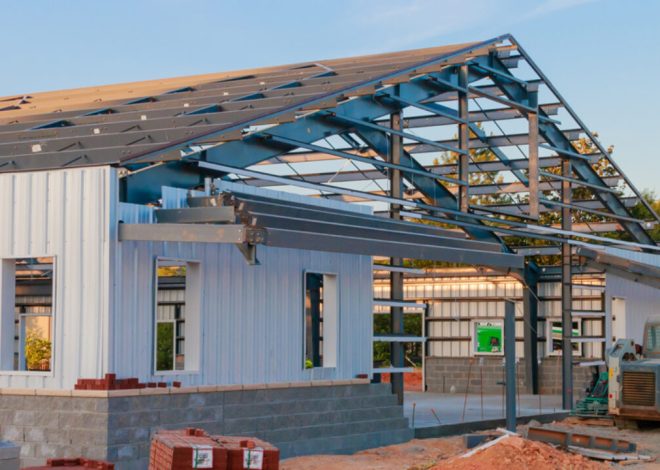
Strengthen Commercial Growth Using Choice Metal Buildings Texas Durable Construction Solutions
Texas businesses require reliable infrastructure to support expansion. Securing a dependable facility ensures long-term operational success. Modern steel structures offer high durability for expanding enterprises. Companies choose custom steel framing to safeguard valuable inventory. Selecting Choice Metal Buildings Texas provides organizations with highly resilient commercial foundations. These structures withstand severe weather while maintaining low maintenance demands.
Industrial Infrastructure Upgrades Fuel Progress
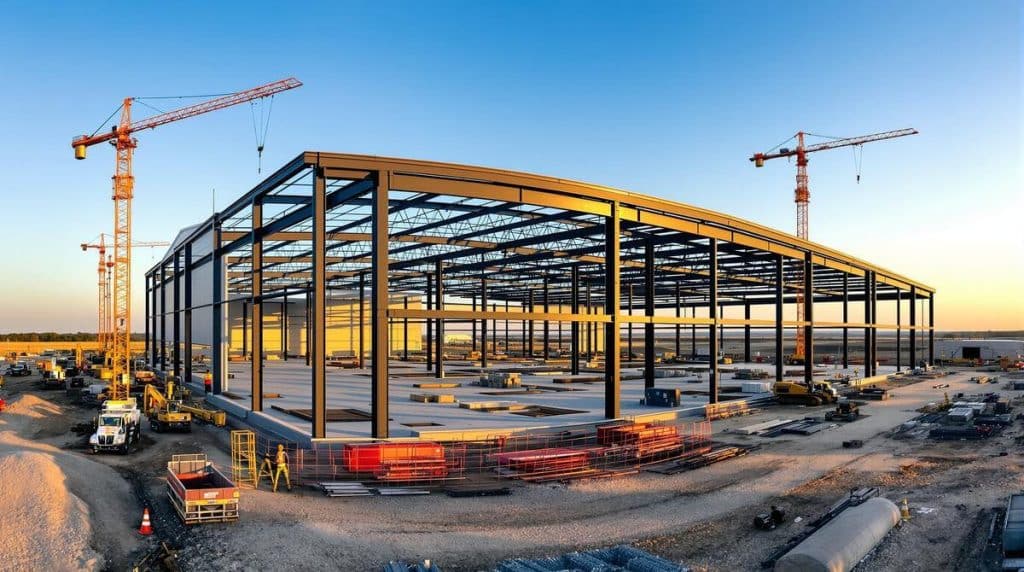
Modern enterprises select steel framing for massive warehouse setups. High structural integrity supports heavy machinery placement without risk. Large open floor plans allow efficient inventory management.
Selecting Superior Construction Materials
Galvanized steel components resist rust and environmental wear. Strong framing elements eliminate frequent repair requirements for owners. Choosing premium metal guarantees structural stability for decades.
Advanced Framing Systems Support Commerce
Custom layouts optimize available square footage for daily work. Clear-span designs eliminate internal pillars.
- Clear-span designs maximize storage areas efficiently.
- Large bay doors allow heavy truck access.
- Engineered components accelerate the structural setup timeline.
- Certified steel panels resist high wind speeds.
- Non-combustible materials reduce structural fire hazards safely.
- Scalable framing allows seamless future building expansion.
- Precise manufacturing reduces job site material waste.
- Heavy-duty fasteners keep entire systems stable.
Long Term Asset Value Preservation
Steel buildings retain their physical integrity much longer than wood. Low upkeep demands translate to significant financial savings. Business owners Choice Metal Buildings Texas allocate saved funds toward operational market development.
How Do Business Owners Enhance Facility Longevity
Proper foundation sealing prevents moisture from entering structural bases. Regular inspections ensure fasteners remain tight after major storms.
Clear gutters divert rainwater away from primary steel supports. Well-maintained steel units have served corporate operations for generations.
Modern Insulation Techniques Optimize Operations
Advanced thermal barriers regulate interior climates effectively. Energy-efficient designs lower monthly utility expenses for enterprises.
Frequently Asked Project Engineering Questions
- What foundation type suits steel structures best? Reinforced concrete slabs provide optimal structural leveling.
- How long does the setup process take? Complete installation usually finishes within a few weeks.
- Can these structures support heavy overhead cranes? Heavy industrial frames handle overhead lifting mechanisms.
- Do metal walls block wireless internet signals? Strategic router placement ensures perfect wireless connectivity.
- What options exist for external building colors? Industrial coatings offer numerous long-lasting shades.
Sustainable Commercial Development Solutions
Industrial enterprises require dependable facilities to maintain steady output. Investing in robust infrastructure secures predictable corporate operational capacity. Solid physical foundations protect vital assets from unpredictable outdoor hazards. Final operational success relies on consistent execution using reliable building materials.

How Orthodontic Treatment Influences Speech Development and Clarity
The Intricate Connection Between Teeth Alignment and Articulation
The relationship between dental positioning and speech production represents one of the most fascinating intersections of oral health and communication. Whilst many people associate orthodontic treatment, provided by an orthodontist Liverpool, as being primarily to do with aesthetic improvements, the impact on speech clarity and development deserves equal attention. The positioning of teeth, jaw alignment, and overall oral structure play crucial roles in how sounds are formed, making orthodontic intervention a potential game-changer for those experiencing speech difficulties related to dental irregularities.
Speech production relies on a complex interplay between the tongue, lips, teeth, and palate. When teeth are misaligned or jaw positioning is incorrect, the tongue may struggle to find the proper placement for certain sounds. This can lead to articulation challenges that persist from childhood into adulthood if left unaddressed. Understanding this connection helps explain why many speech therapists work closely with dental professionals to achieve optimal outcomes for their patients.
Common Speech Challenges Linked to Dental Misalignment
Various orthodontic conditions can contribute to speech impediments, each affecting articulation in distinct ways. An overbite, where upper teeth significantly overlap the lower teeth, can interfere with the pronunciation of sounds like ‘s’ and ‘z’, creating a whistling effect or lisping pattern. Similarly, an underbite may cause difficulties with sounds that require the upper teeth to touch the lower lip, such as ‘f’ and ‘v’. Research has shown that tooth positioning significantly affects speech development in children, highlighting the importance of early intervention.
Open bites present another challenge, as the gap between upper and lower teeth when the mouth is closed prevents proper contact necessary for certain consonants. This condition frequently results in a frontal lisp, where the tongue protrudes through the gap during speech. Crossbites and crowding can also impact the tongue’s ability to move freely within the oral cavity, restricting the precise movements required for clear articulation. Studies examining speech and the dental interface provide valuable insights into these complex relationships.
How Orthodontic Interventions Improve Speech Patterns
Orthodontic treatment offers transformative possibilities for individuals struggling with speech clarity due to dental irregularities. Braces, aligners, and other corrective appliances work systematically to reposition teeth and adjust jaw alignment, creating the optimal oral environment for proper sound production. As teeth gradually shift into their correct positions, patients often notice improvements in their ability to articulate previously challenging sounds with greater ease and precision.
The journey towards improved speech through orthodontic treatment requires patience, as changes occur incrementally over months or even years. During the initial adjustment period, some patients may experience temporary speech alterations as they adapt to wearing braces or other appliances. This transitional phase typically resolves within a few weeks as the mouth adjusts to the new oral landscape. The long-term benefits, however, far outweigh these temporary inconveniences, particularly when treatment addresses underlying structural issues affecting communication.
The Role of Professional Assessment and Collaboration
Seeking guidance from a qualified orthodontist ensures that speech-related dental concerns receive comprehensive evaluation and appropriate treatment planning. Modern orthodontic practices increasingly recognise the importance of assessing speech patterns alongside traditional orthodontic considerations. This holistic approach enables practitioners to identify cases where orthodontic intervention may yield significant improvements in both dental alignment and speech clarity.
Collaboration between orthodontists and speech-language therapists represents best practice for patients experiencing significant articulation challenges. Recent research on orthodontic treatment outcomes demonstrates the value of interdisciplinary approaches in achieving optimal results. Whilst orthodontic treatment corrects the structural foundation, speech therapy can address learned articulation patterns and help patients maximise the benefits of their improved dental alignment.
The Long-Term Benefits of Addressing Speech Through Orthodontics
The positive impact of orthodontic treatment on speech extends well beyond improved articulation. Enhanced speech clarity contributes to greater confidence in social and professional settings, reducing anxiety associated with communication. Children who receive timely orthodontic intervention often experience improved academic performance and social integration, as clear speech facilitates better classroom participation and peer interactions. For adults, the benefits manifest in enhanced career opportunities and improved quality of life, demonstrating that investment in orthodontic care yields returns that transcend mere aesthetics and touch the very essence of human connection through communication.