
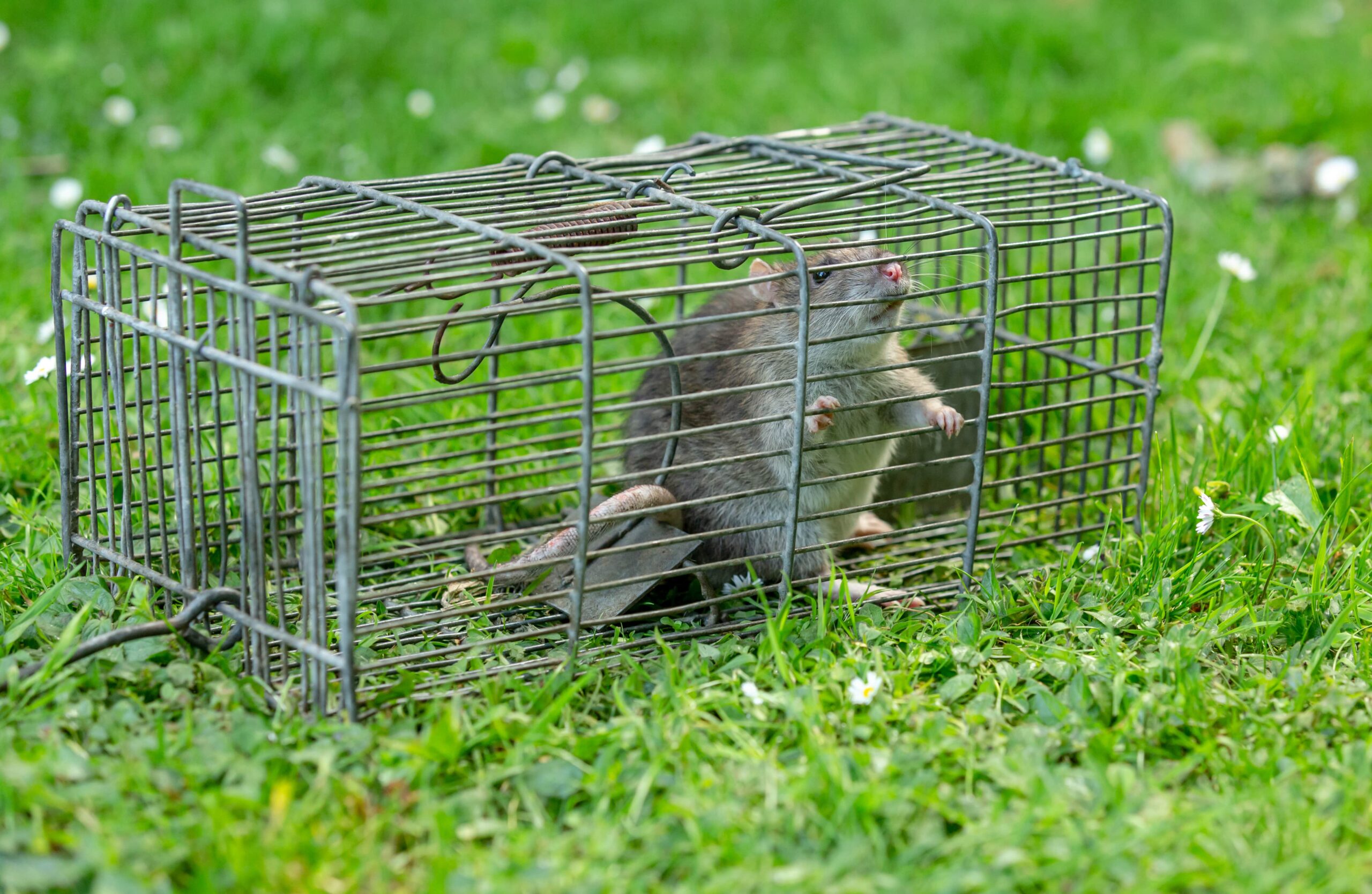
Seasonal Critter Control Services in San Antonio Address Changing Wildlife Activity
Cooler evenings often bring unexpected scratching sounds around quiet homes.Small animals frequently search buildings for shelter during weather changes.Professional critter control services in san antonio support safer prevention.Seasonal movement patterns can create different concerns throughout each year.Early attention helps property owners reduce unwanted wildlife entry problems.
Weather Patterns Influence Wildlife Movement
Temperature changes often influence where wild animals search for shelter.Rainfall differences may also push creatures toward dry building spaces.
Seasonal awareness helps owners recognize unusual movement before damage develops.Regular observations around structures provide useful clues about animal presence.
Warm periods can increase nesting activity near roofs or walls.Cooler conditions may encourage creatures to enter enclosed storage areas.
Changing moisture levels can affect movement around yards or foundations.Timely inspections identify vulnerable spaces before wildlife settles indoors permanently.
Property Conditions Shape Seasonal Entry
Buildings develop small openings through normal wear during changing seasons.Roof edges or vents may gradually become possible entry routes.
Property upkeep supports prevention by reducing attractive hiding locations nearby.Simple maintenance also limits repeated visits from wandering wild creatures.
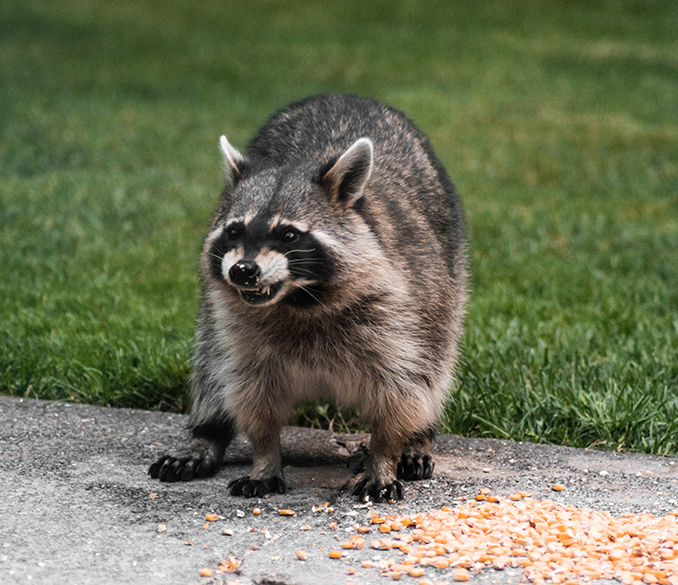
An informative seasonal comparison helps explain common property concerns clearly.Regular property reviews make seasonal prevention easier to manage consistently.Small repairs completed promptly can reduce larger wildlife concerns later.
Seasonal Prevention Supports Safer Properties
Preventive actions reduce opportunities for creatures seeking dependable indoor shelter.Consistent property care also supports cleaner surroundings throughout changing conditions.
- Routine exterior checks reveal openings before unwanted creatures enter buildings.
- Secure roof vents prevent wildlife from reaching protected indoor spaces.
- Strong covers keep outdoor storage areas less attractive for nesting.
- Trimmed branches reduce convenient routes toward upper building sections.
- Closed foundation gaps limit shelter opportunities during cooler weather periods.
Careful monitoring should continue whenever weather patterns change noticeably outside.Different months may require adjusted checks around vulnerable structural areas.
Property owners should also notice sounds appearing during quiet hours.Unusual droppings may indicate recent activity near hidden indoor spaces.Damaged materials can reveal repeated movement around possible entrance points.
Common Wildlife Questions
Seasonal concerns often create practical questions about prevention or monitoring.Clear answers help property owners respond before minor issues expand.
- What signs suggest wildlife entered a building recently?Scratching noises or disturbed materials can indicate recent animal activity.Visible openings around exterior surfaces may provide another useful warning.
- Why does wildlife activity change during different seasons?Weather conditions influence shelter needs plus available outdoor nesting areas.Temperature changes also affect movement patterns around buildings each season.
- When should property inspections become more frequent each year?Checks become useful whenever major temperature or rainfall changes occur.Extra inspections can identify newly damaged areas requiring quick attention.
- What areas deserve attention during routine exterior inspections?Roof edges or vents often deserve careful visual inspection regularly.Foundation openings may also provide hidden routes into enclosed spaces.
Safer Seasons Through Preparation
Good preparation creates stronger protection against changing animal movement patterns.Careful upkeep keeps vulnerable spaces less inviting throughout every season.Property owners gain reassurance when critter control services in san Antonio respond.Responsible prevention supports safer structures while respecting nearby wildlife populations.Consistent attention turns seasonal concerns into manageable property care routines.
